
Alzheimerâs Disease
Alzheimerâs Disease: Unraveling Symptoms, Causes, and Care
5/6/20262 min read
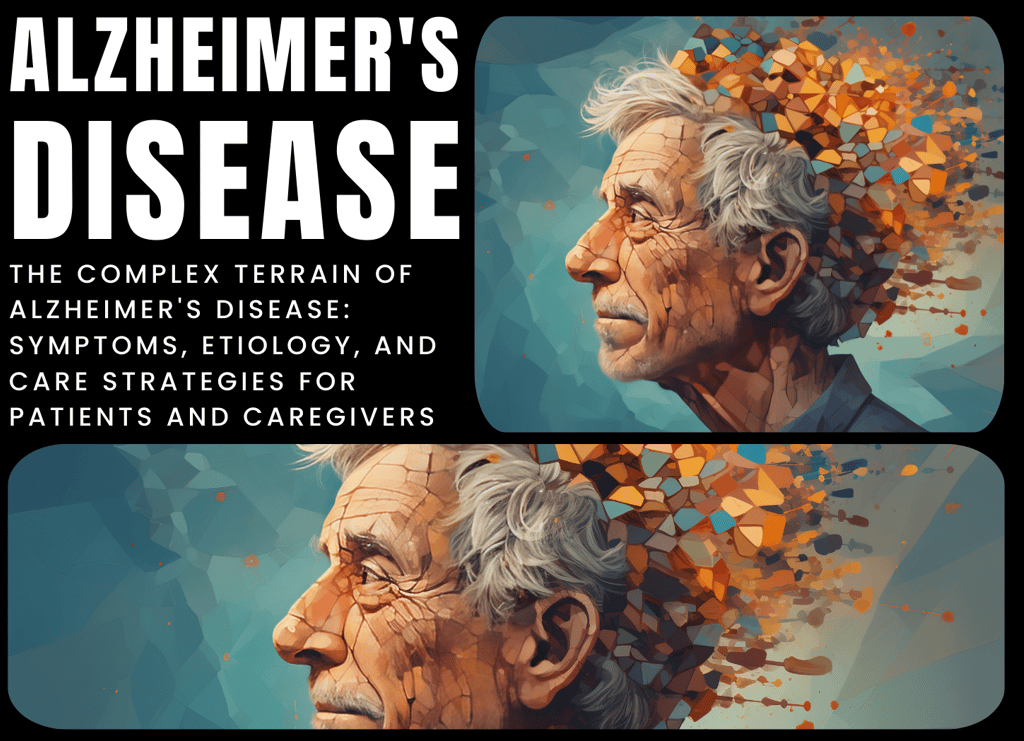
Alzheimerâs Disease: Unraveling Symptoms, Causes, and Care
Alzheimerâs disease is a common and progressive neurological illness that affects memory, cognitive functioning, and daily life.
This complicated condition necessitates a thorough investigation into its symptoms, etiology, potential treatments, and supportive care measures
for both patients and caregivers.
Alzheimerâs disease is defined by an accumulation of abnormal proteins in the brain, which results in the formation of plaques and tangles that
obstruct nerve cell transmission, eventually resulting in their death. Cognitive decline, memory loss, and reduced reasoning ability occur from this process.
Memory loss, disorientation, difficulty doing familiar tasks, and difficulties problem-solving are common initial symptoms. Individuals with Alzheimerâs
disease may exhibit linguistic difficulties, disorientation, mood swings, and, finally, loss of basic functions.
The precise etiology of Alzheimerâs disease is unknown, although a mix of genetic, environmental, and lifestyle factors contribute to its development.
Age, family history, genetics, head injuries, cardiovascular diseases, and lifestyle choices including food and exercise all increase
the chance of getting Alzheimerâs.
Alzheimerâs disease is diagnosed through a careful examination of symptoms, medical history, cognitive testing, and imaging studies.
While there is no cure, drugs can alleviate symptoms or halt their course. Management prioritizes quality of life, which includes cognitive stimulation,
healthy diet, physical activity, and social involvement.
Caregivers face a significant burden as a result of Alzheimerâs disease. assistance groups, educational resources, and respite care are critical in
assisting caregivers in coping with the obstacles of providing care and ensuring they receive the essential assistance and knowledge.
Ongoing research aims to provide a deeper knowledge of Alzheimerâs disease, early detection methods, and new treatments. Studies focusing on
innovative medications, lifestyle interventions, and biomarkers provide hope for better management and, hopefully,
disease-modifying approaches in the future.
Individuals and their families face significant obstacles as a result of Alzheimerâs disease. While there is presently no cure, early discovery,
adequate management, and support networks have a substantial impact on both patientsâ and caregiversâ quality of life. Understanding the symptoms,
risk factors, therapies available, and caregiving practices is critical for navigating this complex neurological disorder.
References:
Alzheimerâs Association. âWhat Is Alzheimerâs?â www.alz.org/alzheimers-dementia/what-is-alzheimers
Cummings, J., et al. âAlzheimerâs disease drug development pipeline: 2021.â
Alzheimerâs & Dementia: Translational Research & Clinical Interventions, vol. 7, 2021, e12179.
National Institute on Aging. âAbout Alzheimerâs Disease: Diagnosis.â www.nia.nih.gov/health/about-alzheimers-disease-diagnosis-treatments.
Livingston, G., et al. âDementia prevention, intervention, and care.â The Lancet, vol. 390, no. 10113, 2017, pp. 2673-2734.
Boundless Home Health
Get the in-Home Health Care They Deserve

